A thousand pictures I couldn't take
Some trips begin with a checklist and a neatly packed suitcase. Mine began with a question mark. This year during the summer break my family and I had decided on a Shimla-Manali Trip, but with the India-Pakistan conflict casting a long shadow, the week leading up to our departure was a tense dance of refreshing news pages and managing expectations. The very idea of a holiday felt fragile. But here’s the thing about mountain adventures: they have a way of happening against all odds. The civilian airport at Chandigarh finally reopened on the 13th May. At 1:55 PM on the 18th, the plane lifted off from Kolkata’s humid embrace, carrying us towards the north where the Himalayas stood waiting, utterly indifferent to human conflicts. As the flight descended into Chandigarh, the reality of the situation on the ground became starkly clear. From the terminal gates, the airfield looked less like a commercial hub and more like a strategic outpost. Countless C-17 Globemasters stood sentinel in the distance, a reminder that peace and paradise often share uncomfortably close quarters. We escaped into a waiting cab, speeding toward Kalka, where our first night’s accommodation promised a buffer between the wartime reality and the mountain dreams I’d been nurturing.
The Last Train Out of the Plainlands
The next day promised a change of pace, a journey back in time aboard the ‘Himalayan Queen’. This UNESCO World Heritage railway, recognized in 2008 as part of India’s Mountain Railways, promised colonial-era charm on its narrow-gauge tracks. Built in the mid-19th century when the British needed their hill station accessible, this 96-kilometre engineering marvel climbs from 656 metres to 2,076 metres, crossing 864 bridges in the process. The next morning the train left at 12:02 PM, two minutes late (which in India is practically Swiss punctuality). We travelled first-class, without air-conditioning, windows wide open to a sun that felt personally offended by our presence. What I imagined as a cool mountain ride turned out to be a scorching journey, a stark reminder that ‘global warming’ isn’t just a headline. Yet, and this is the magic of mountain railways, between the perspiration and the periodic tunnel darkness, the train weaved through the landscape like a needle stitching a fabric. Shimla materialised at dusk, rose-gold and breathless.
The Quiet Grandeur of Shimla
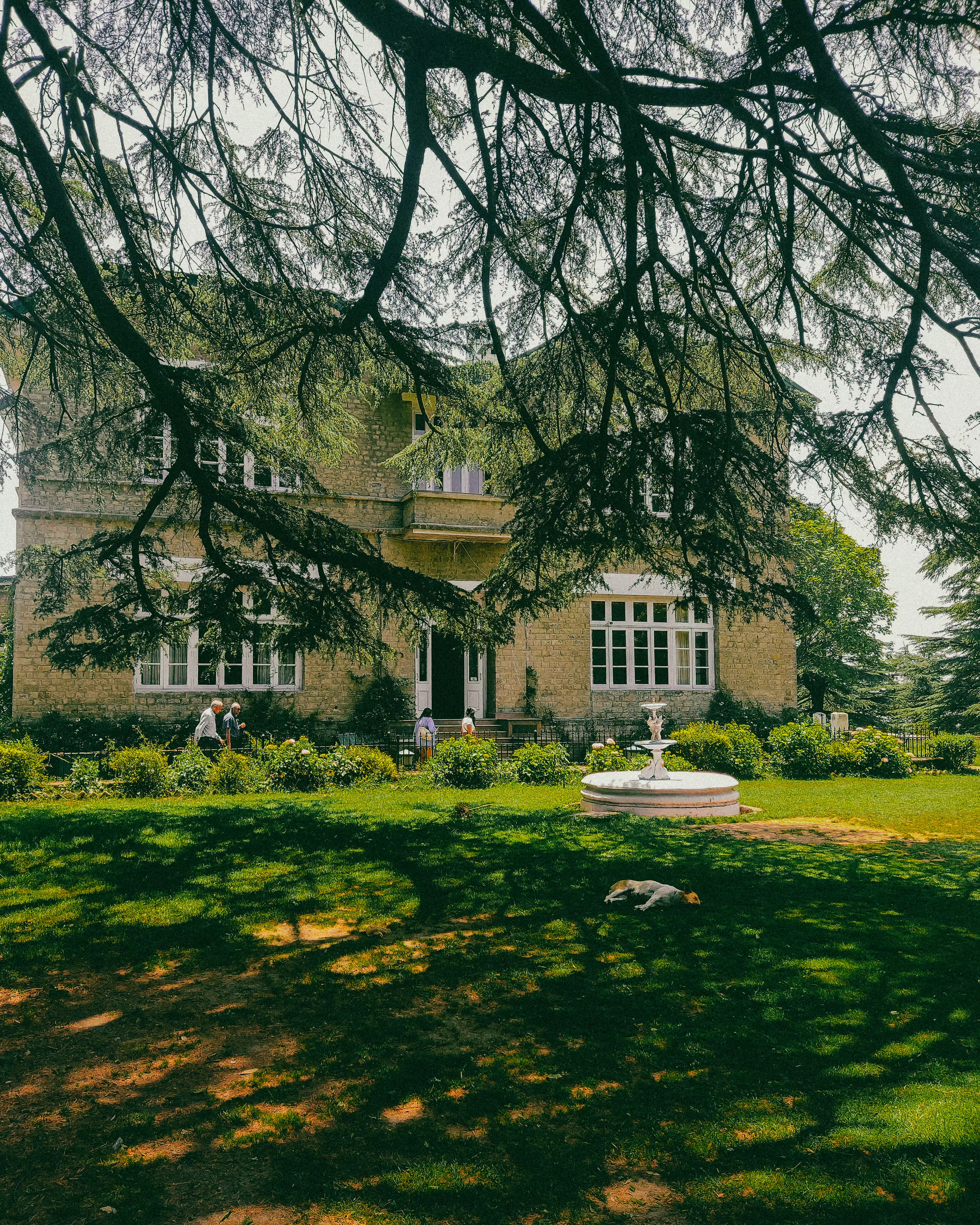
In Shimla, mornings have a particular quality: crisp air that makes you grateful for every breath, mixed with the diesel fumes of vehicles navigating roads that were clearly designed for horses. After breakfast, a winding two-hour drive took us 40 kilometres up to Chail, home to a breathtaking palace built in a grand European style. Now functioning as a heritage hotel, this architectural marvel sits amid gardens so perfectly manicured they seem to mock the wild mountains surrounding them. The Maharaja of Patiala built his summer capital here after the British banned him from Shimla for eloping with the Viceroy’s daughter (or so the lore says). Petty revenge never looked so magnificent: gabled roofs, Burma-teak verandas, lawns so level you could balance your regrets on them. Back in Shimla, I stood in front of the Viceregal Lodge that rose like a Scottish castle transplanted by a homesick Viceroy who missed the Highland rains. This was more than just a beautiful building; it was a silent witness to the monumental decisions that shaped modern India, where freedom was negotiated, where the fate of millions was decided over tea and careful words. Designed in a magnificent Scottish Baronial style, it was a technological marvel for its time, boasting one of India’s first hydroelectric power systems in 1888 and a sophisticated internal firefighting mechanism to protect its exquisite wooden interiors. The journey to Shimla’s Mall Road deserves its own epic: three levels of elevators ascending through the mountain’s belly. The entire city glowed below us as the last rays of sun kissed the horizon. Christ Church’s stained glass held the last sunlight the way a wineglass holds the memory of a toast. Afterwards we wandered the markets, and I can confirm a universal truth: momos just hit different in the mountains.
Rohtang: Through Nine Silent Kilometres
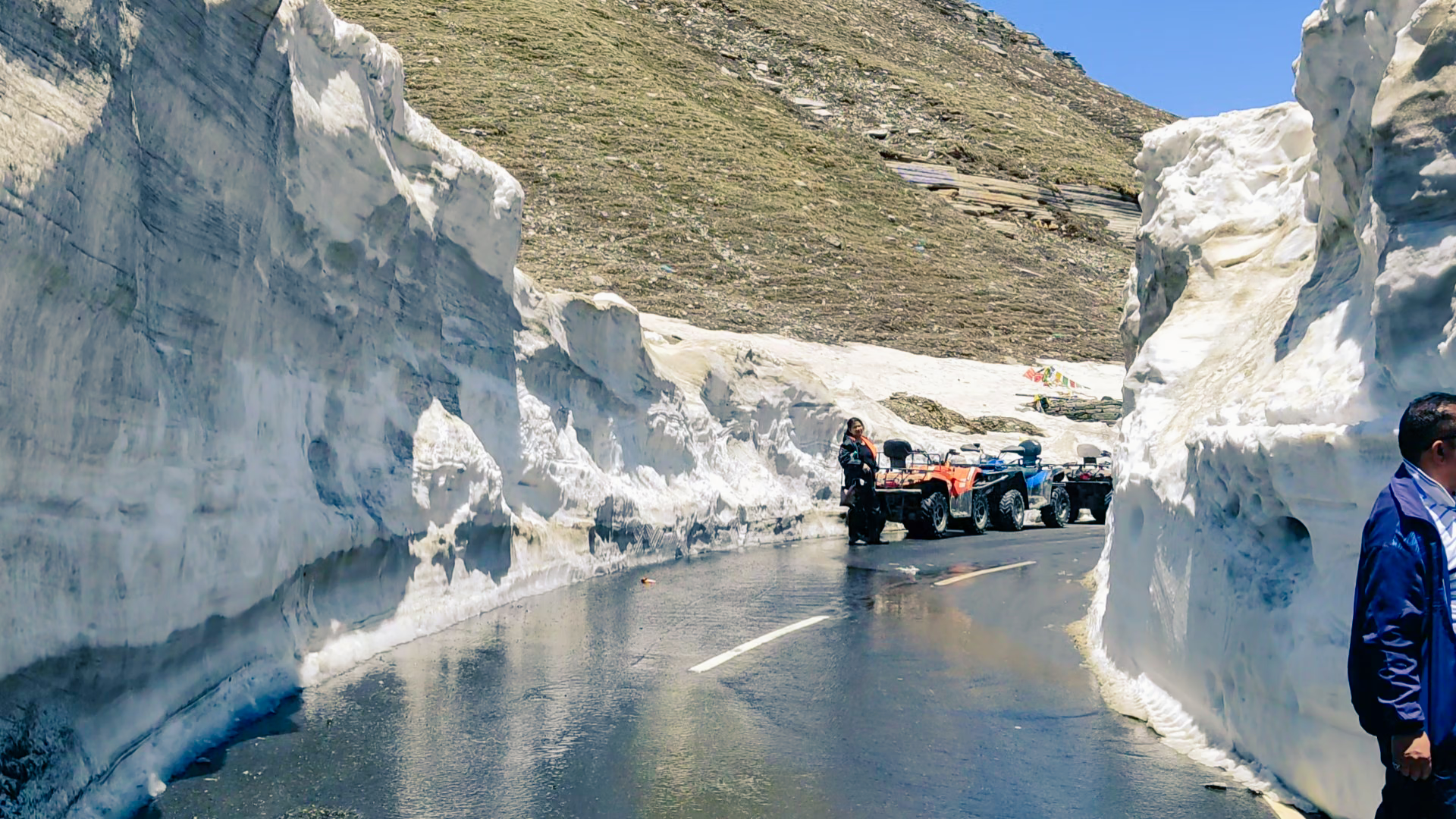
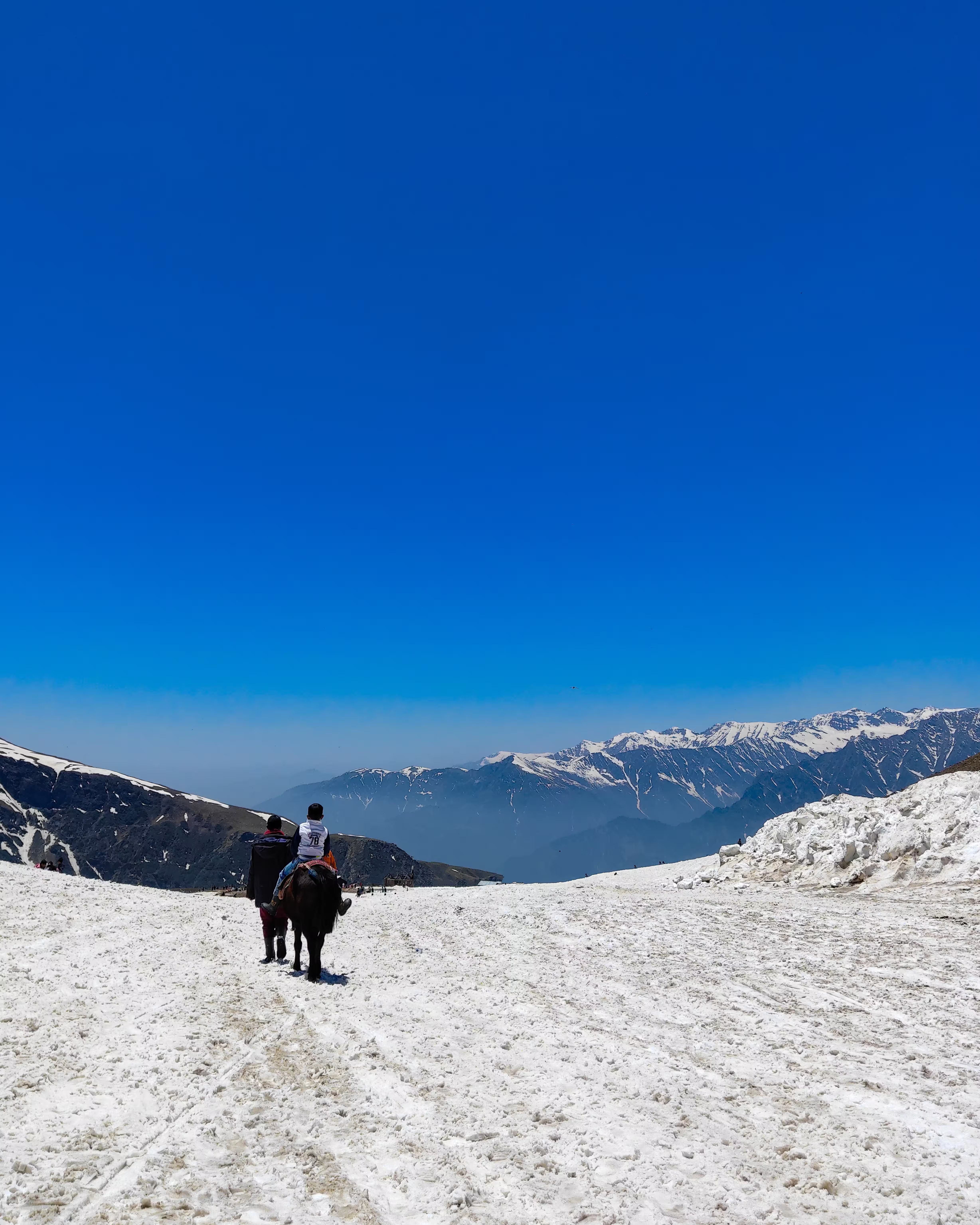
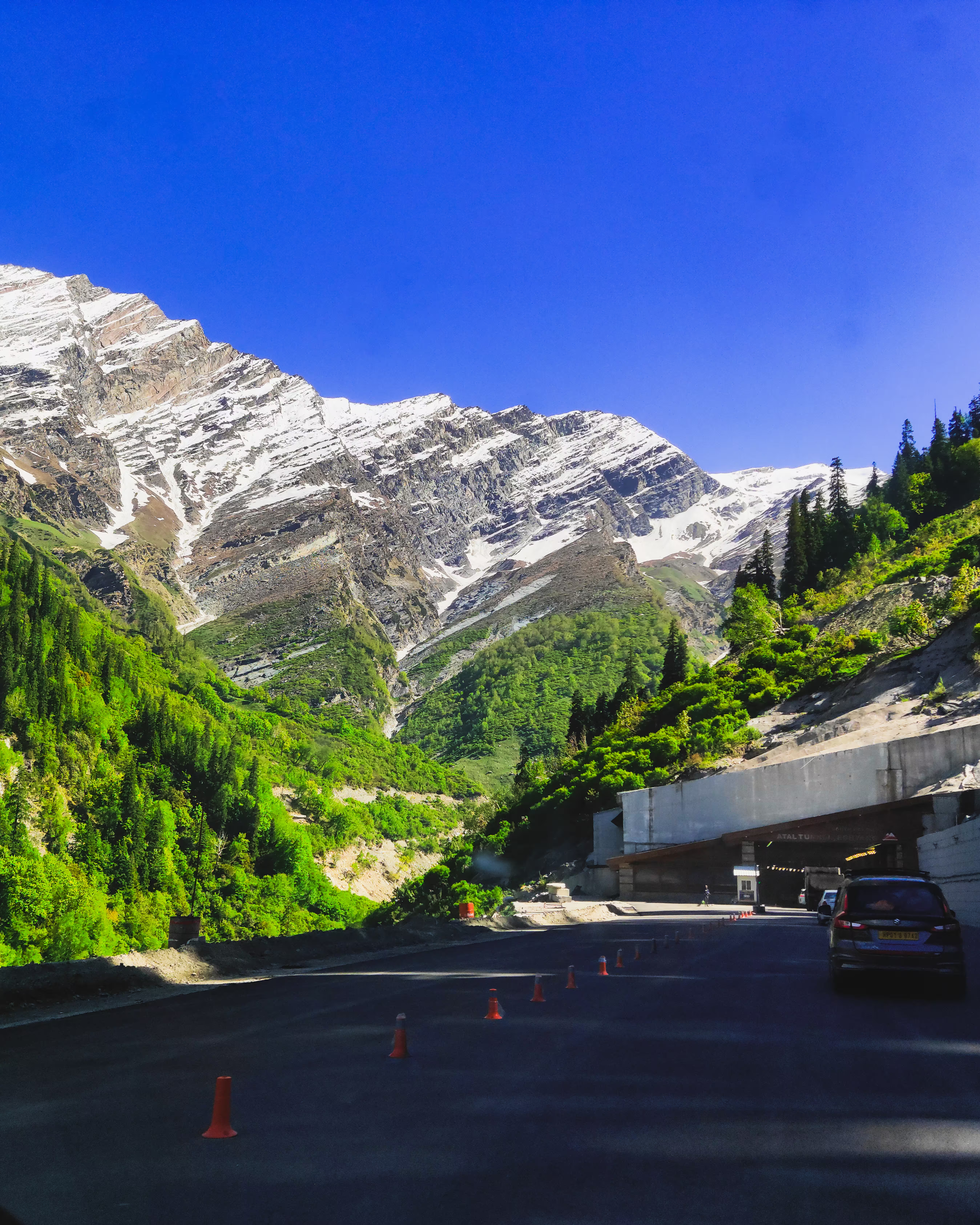
The road to Manali was a long but stunningly scenic affair, punctuated by a series of brand-new tunnels that sliced through the Pir-Panjal range of mountains on the Chandigarh-Manali Highway. The real adventure began the next day with our trip to Rohtang Pass. After renting the requisite snow gear, we drove towards the famous Atal Tunnel, the longest highway tunnel above 10,000 feet in the world. Rohtang used to mean “pile of corpses”, a name the mountains earned honestly. The Atal Tunnel slips under the carnage in nine hushed kilometres. Before this tunnel, Rohtang Pass would cut off entire valleys for six months each winter. Now, thirty minutes of climate-controlled driving replaces hours of treacherous mountain roads that claimed vehicles and lives with disturbing regularity. The landscape after emerging from the North portal was a Bob Ross painting come to life. We stopped for breakfast at a tiny, bustling shop, where I rediscovered my love for Thukpa, a hearty noodle soup that I first tried in Ladakh. Further on, an army checkpoint reminded us of the sensitive border situation with a polite request for no photography. Soon, the scenery transformed dramatically. We were driving between literal walls of snow, so high and dense they seemed to defy the bright sun overhead. After a thrilling ATV ride and an exhausting trek across the snowfields, the 2-kilometer walk back to our car was a true test of endurance. Altitude is a polite tyrant; it lets you breathe, but only on its terms. In the evening my mother and sister returned from the market cradling Siddu: steamed wheat buns swollen with walnut and jaggery, best served with a spicy chutney.
Trout by the Terrace
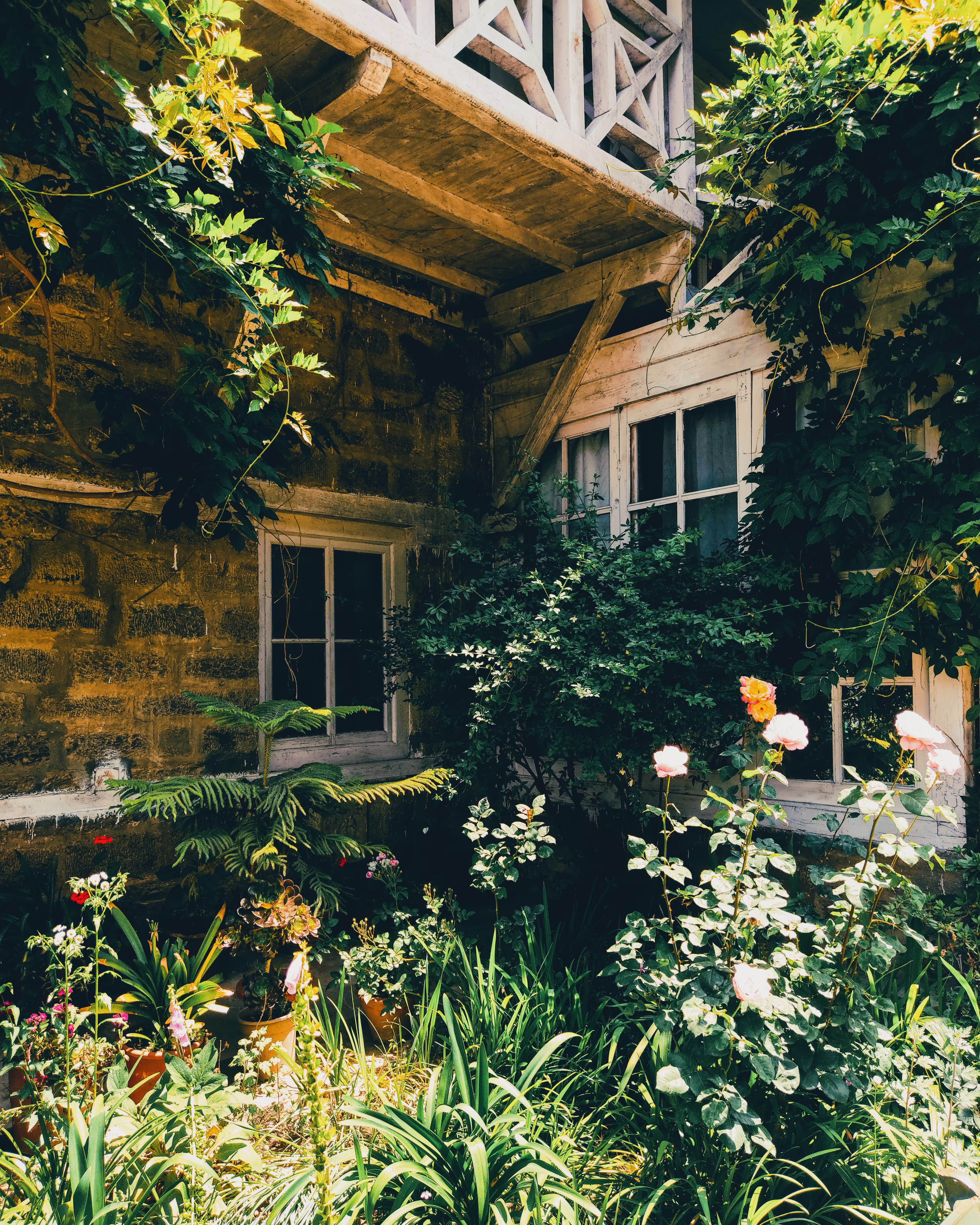
Naggar the next day looked like a watercolour left out in the rain: soft, bleeding, impossible to look away from. The town’s crown jewel is Naggar Castle, a 16th-century fortress of wood and stone that has weathered the centuries with incredible grace. We had lunch at the castle’s second-floor restaurant, and I can say, without exaggeration, that it was an experience of a lifetime. The tables overlook the entire valley, with the mighty Beas River carving its path below. Enjoying freshly caught trout with that panoramic view and a cool mountain breeze is a memory I’ll cherish forever. A short walk uphill led us to the Roerich Institute, the former home of the Russian artist and philosopher Nicholas Roerich. Wandering through the gardens and peering into his home, perfectly preserved and seemingly frozen in time, his study, his wife Helena’s room, their daughter-in-law’s quarters; all preserved as if the family had just stepped out for a mountain walk. The road back to Manali passed through endless apple orchards, not just beside the road but climbing up mountainsides, cascading down valleys and claiming every possible inch of cultivable land.
Smoke, Coffee, and Bob Dylan
Our final destination was Kasol, nestled in the famous Parvati Valley. I’d heard about its hippie culture, but I was not prepared for the reality of Kasol. Hearing ‘Shalom’ and ‘Namaste’ used with equal frequency was a beautiful surprise. Every signboard carried both Hindi and Hebrew. For lunch ‘Little Italy Inn’ served us pizzas that had no business being this good this far from Italy; brick oven-baked with sun-dried tomato paste that would make Italians nod in approval. My sister surrendered after two slices; I soldiered through an entire medium size pizza, partly from hunger, mostly from principle. The night market came alive with a particular energy. I noticed that in coffee shops, adding weed to your order cost a casual fifty rupees extra. The air filled with the scent of pine and pot, and the gentle strumming of a Bob Dylan tune drifted from a nearby café. These weren’t just hippies; they were what our driver called “real” people—authentic in their pursuit of… whatever it is one pursues in a valley where some laws are more suggestions than commandments.
On the drive back to Chandigarh, canals flanked the highway; their water ran an impossible blue, the kind of colour you’d accuse of being Photoshopped. Our driver explained that these canals were fed by the five rivers, the very same ones that gave the name “Punjab”. I took over a thousand photos on this trip, but as I look back, I realise the best moments were the ones that escaped the camera lens.
If you go, pack woollens for your body and ambiguity for your soul. The mountains will provide the rest.